
Pay2Tax
If you’re choosing a career, switching jobs, or planning your next move, one question matters more than ever: Which jobs will actually pay more in the future?
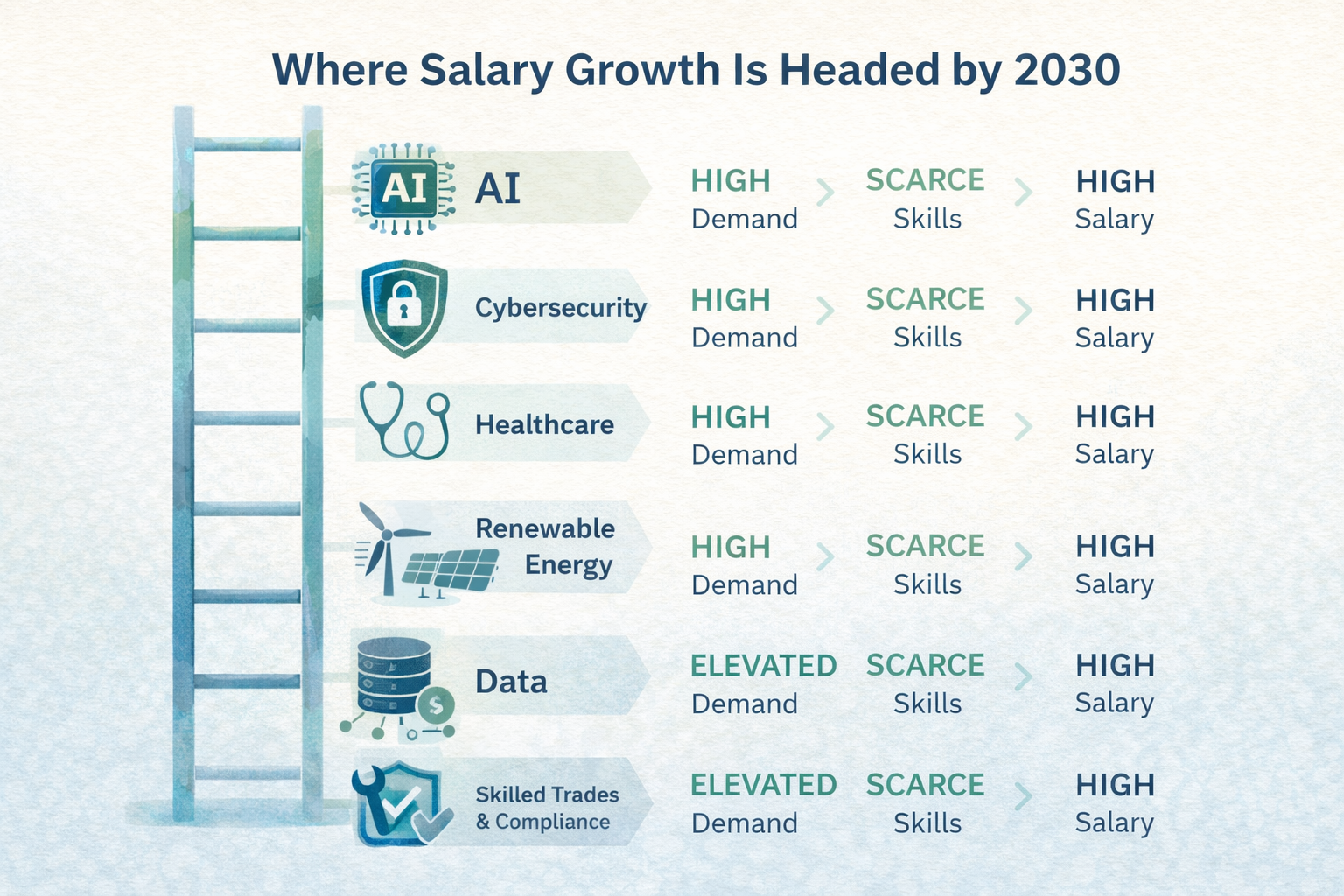
By 2030, salaries won’t rise evenly. Some roles will surge ahead. Others will stagnate. Understanding where the money is moving can help you make smarter, calmer career decisions—before the crowd catches on.
In the past, salary growth followed simple rules.
More experience meant more money. Bigger companies paid more. Certain degrees guaranteed stability.
That’s changing.
By 2030, salary hikes will be driven by:
In simple terms, value creation beats tradition.
Before we list roles, it’s important to understand *why* some jobs get bigger raises than others.
High salary growth roles usually have at least two of these traits:
When salaries are modeled using real take-home numbers instead of headline offers, the difference becomes clearer. That’s why many professionals compare future earning paths using salary to tax calculators rather than trusting averages.
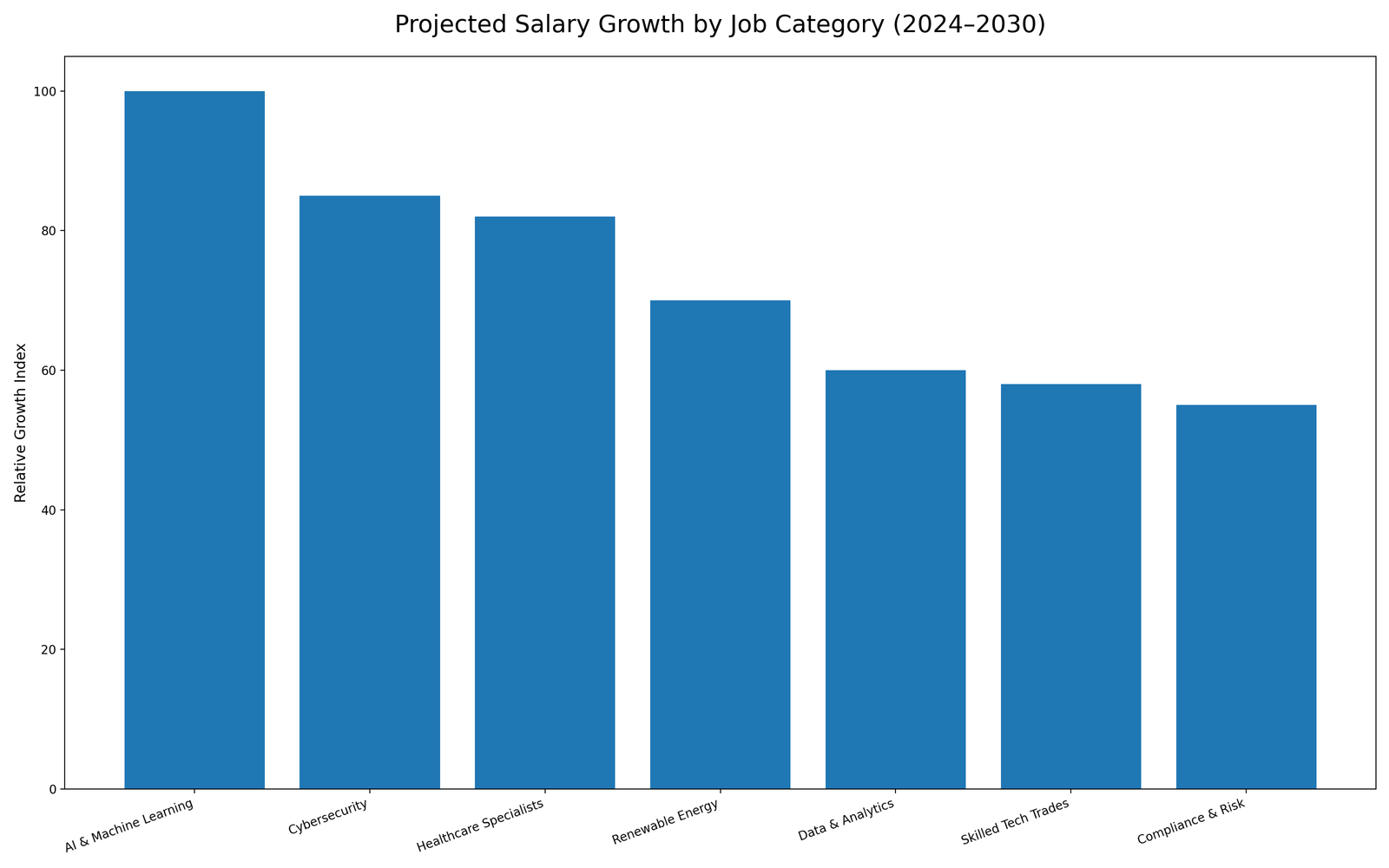
AI isn’t just growing. It’s becoming foundational.
By 2030, AI skills will be required across industries, not just tech companies.
Roles likely to see strong salary growth:
Why salaries will rise:
Demand is exploding faster than talent supply. Companies compete aggressively for people who can build or manage AI systems responsibly.
As systems become more connected, risk increases.
Cybersecurity is no longer optional. It’s mandatory.
High-growth roles include:
These roles often command higher *net pay* than expected because companies prioritize retention and long-term contracts, not just flashy bonuses.
Global populations are aging. Chronic conditions are rising. Healthcare systems are under pressure.
Roles with strong salary outlook:
Healthcare salaries rise steadily, not explosively—but they are resilient. When you factor in stability and consistent demand, the long-term income picture often looks better than it appears on paper.
Climate goals aren’t just ethical. They’re economic.
Governments and companies are investing heavily in clean energy and sustainability.
Roles likely to see big hikes:
These roles often benefit from long-term projects and incentives, which can significantly improve take-home income over time.
Every company now runs on data.
But raw data is useless without insight.
High-growth roles:
These jobs pay well not because of tools—but because they help leaders make better decisions. And decision-enabling roles almost always get budget priority.
This one surprises many people.
Not all high-paying jobs are “office jobs.”
Trades seeing strong salary growth:
These roles combine physical skills with technology—and that combination is rare. When scarcity meets necessity, salaries rise quietly but steadily.
As rules increase, so does the need to follow them.
High-growth areas:
These jobs may not sound exciting, but they are protected roles. Companies can’t easily cut them—and that stability often translates into predictable salary growth.
Here’s the trick most people miss.
A job with fast salary growth doesn’t always mean faster take-home growth.
Why?
This is why comparing roles using realistic net income projections—rather than headline salaries—gives a clearer picture. Subtle differences in structure can matter more than job title alone.
If you’re planning a switch before 2030, focus less on titles and more on transferable skills.
Skills that travel well across industries include:
People who pivot using skills instead of chasing trends usually end up with better long-term income stability.
Instead of asking:
“Which job pays the most?”
Ask:
“Which role increases my earning power every 2–3 years?”
That mindset leads to better decisions.
It also helps when you quietly compare future offers by breaking them down into monthly, after-tax reality—rather than getting distracted by impressive projections.
By 2030, salary growth will reward:
The biggest raises won’t always be loud. They’ll be consistent.
And those who understand their real earning trajectory—not just offers—will stay ahead.
Roles in AI, cybersecurity, healthcare, renewable energy, and data analytics are expected to see strong salary hikes due to demand and skill shortages.
It can be, especially if you move into roles with long-term demand and transferable skills rather than chasing short-term trends.
Take-home pay matters more. Two jobs with similar salaries can feel very different once taxes and deductions are applied.